blog
Brookstone Alternative for Professional Beauty Tools
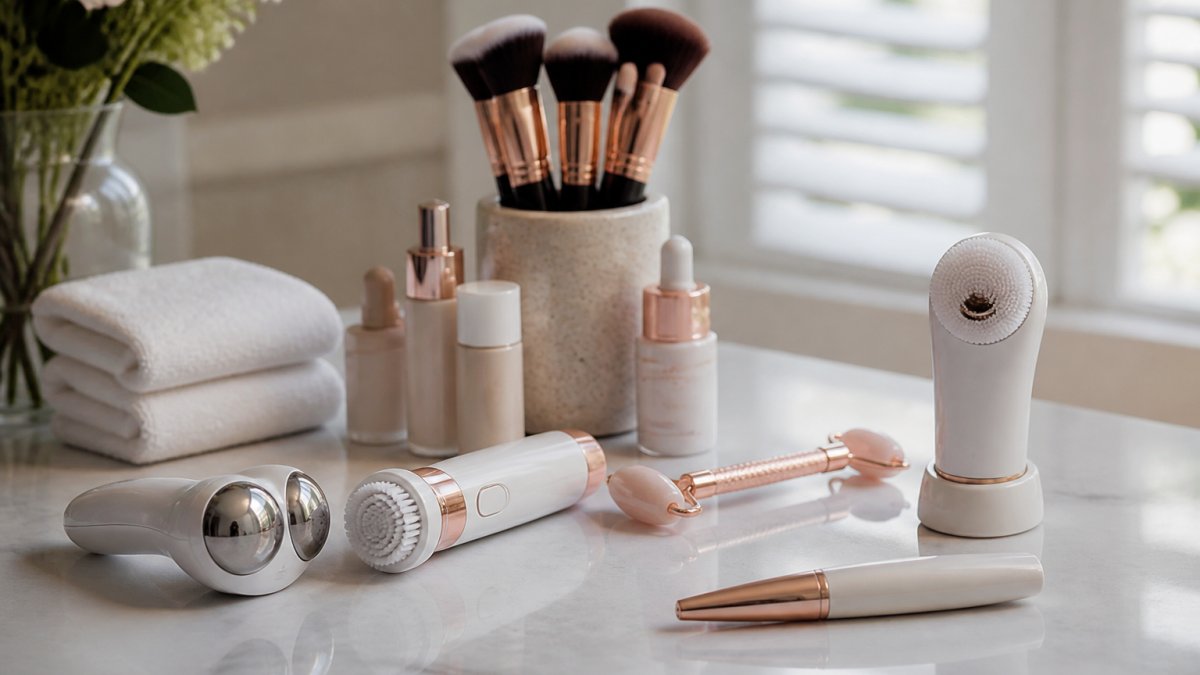
Table of Contents
- Why a Brookstone Alternative for Professional Beauty Tools Makes Sense in 2026
- Professional Nail Clippers vs. Consumer-Grade: What Actually Changes
- Salon-Grade Manicure Tools: The Features That Separate Them
- Stainless Steel Grooming Tools vs. Anodized Steel Construction
- How to Choose Nail Clippers That Last Beyond the First Month
- Tools Beyond Nail Care: Tweezers, Scissors, and Precision Grooming
- Hygiene, Sterilization, and Maintenance for Long-Term Performance
- Conclusion
- Frequently Asked Questions
Last Updated: October 21, 2026
Why a Brookstone Alternative for Professional Beauty Tools Makes Sense in 2026
If you have ever bought a grooming kit on impulse and watched it dull within weeks, the problem was probably not you. Most mass-market beauty tools are built to a price, and the difference shows up in the third month, not the first. At Let's Elevate Enterprises LLC, we curate beauty tools for people who want their daily routine to feel considered rather than disposable, and that starts with understanding what separates a good tool from a great one.
The short answer: professional beauty tools differ from consumer-grade versions in steel grade, edge geometry, finish quality, and how well they can be cleaned. This guide breaks down each of those factors so you can judge any tool on its merits, whether you are replacing a worn-out clipper or building a grooming kit from scratch.
Professional Nail Clippers vs. Consumer-Grade: What Actually Changes
The biggest difference is the cutting edge. Professional nail clippers are ground and sharpened to a consistent angle, while budget clippers are stamped and left with a rougher edge that crushes the nail instead of slicing it.
But edge quality is only the visible symptom. Four manufacturing decisions separate a professional-style clipper from a consumer-grade one, and each one is verifiable before you buy.
1. Steel grade and hardness. Most professional clippers use martensitic stainless steels in the 420 or 440 series, which can be hardened to hold an edge through repeated use. Budget clippers often use lower-carbon stainless or plated carbon steel that starts sharp and dulls within weeks.
2. Edge geometry. Professional clippers are hollow-ground or flat-ground to a controlled bevel, so the two cutting edges meet along their full length. Stamped consumer clippers have a rougher, sometimes wavy edge that leaves a gap in the middle of the jaw.
3. Pivot and lever design. The pivot is where cheap clippers fail first. A well-machined pivot holds the jaws in alignment through the full arc of travel; a loose pivot lets the jaws shift sideways, which is why budget clippers start "chewing" rather than cutting. Look for a riveted or screwed pivot with no side-to-side wobble when you open and close the tool slowly.
4. Jaw shape and size. Fingernail clippers usually have a slight curve and a smaller jaw; toenail clippers are larger and straighter to handle thicker nails. Using the wrong one for the job puts extra stress on the edge and shortens the tool's life. Professional sets often include both, plus a slanted or angled variant for corners.
A common mistake is judging clippers by weight alone. Heavier does not automatically mean better; a well-balanced tool with a precise pivot will outperform a heavy one with loose jaws every time. The better test is the slow-close check: smooth travel, no wobble, and a clean meeting line at the edge.
Salon-Grade Manicure Tools: The Features That Separate Them
Salon-grade manicure tools share a set of features that show up again and again in professional kits. Knowing them gives you a checklist you can apply to any product page.
Look for these markers:
- Full steel construction, including the lever and pivot, not just the jaws
- Precision-ground edges that meet cleanly along the full length
- Textured finish or rubberized grip so the tool stays put in damp hands
- Replaceable or serviceable parts where the design allows it
- A consistent finish inside and out, which makes cleaning easier
What most guides miss is that "salon-grade" is a marketing phrase, not a regulated standard. No certification body hands it out. The features above are what actually matter, and you can verify them from product photos and specifications without trusting the label.
Stainless Steel Grooming Tools vs. Anodized Steel Construction
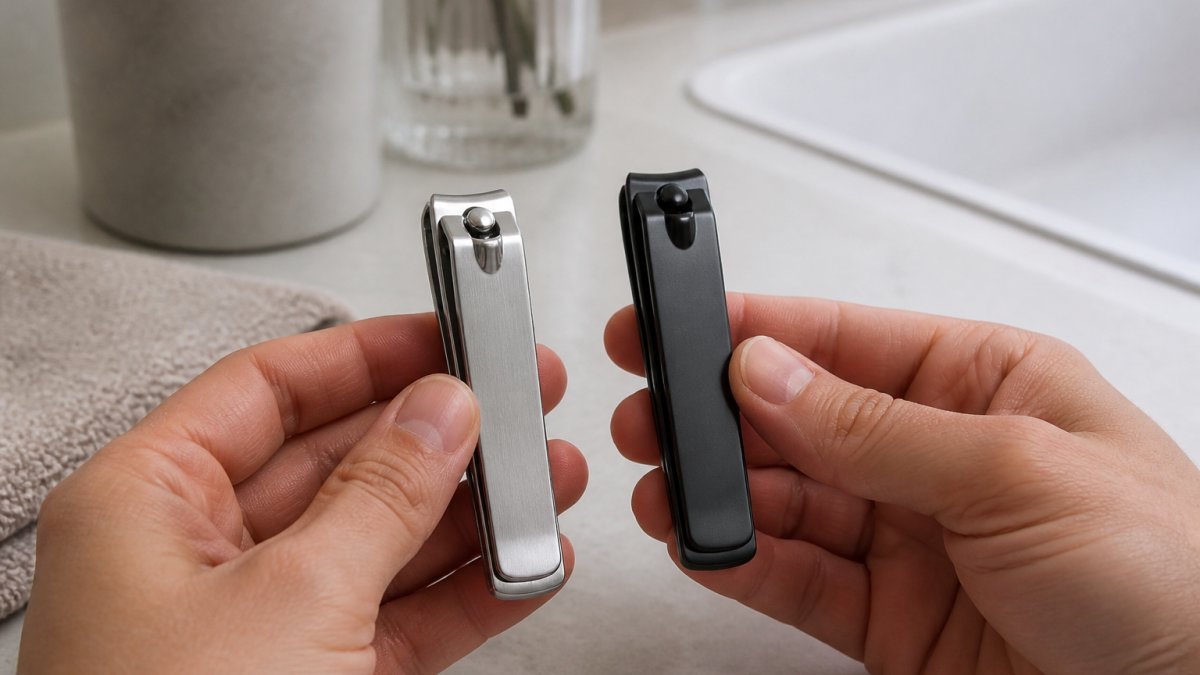
Stainless steel grooming tools resist rust and hold a sharp edge, while anodized steel construction adds a hardened surface coating that improves grip and scratch resistance. Both are legitimate choices; the right pick depends on how you store and clean your tools.
Here is the practical breakdown:
- Stainless steel is the safer default for anything that touches water daily. It will not chip or flake, and it tolerates disinfecting wipes without drama. The trade-off is that polished stainless can feel slippery in wet hands.
- Anodized steel gives you a textured, colored surface that is easier to grip and resists fingerprints. The coating is hard, but a dropped tool can chip it at the edges, and a chipped edge is where corrosion tends to start.
- Coated handles on stainless bodies combine the best of both: a durable cutting head with a comfortable grip.
If you clean your tools with alcohol or disinfectant after every use, plain stainless is the lower-maintenance choice. If grip and comfort matter more and your tools live in a drawer rather than a wet tray, anodized finishes are perfectly reasonable.
How to Choose Nail Clippers That Last Beyond the First Month
Choosing nail clippers that last comes down to four checks you can do before you buy: edge quality, pivot tightness, steel type, and grip. Run through them in that order and you will filter out most of what is on the shelf.
1. Check the edge. Look for a continuous, even line where the two blades meet. Gaps or waviness mean a poor cut.
2. Test the pivot. Open and close the clipper slowly. It should move smoothly with no side-to-side wobble. A loose pivot is the number one cause of early failure.
3. Confirm the steel. Product listings should name the steel type. If a listing will not say what the tool is made of, that tells you something.
4. Judge the grip. A textured or rubberized grip is not a luxury feature. Wet hands plus smooth steel is how tools end up on the floor, and a dropped clipper often lands on its cutting edge.
One more check that most buyers skip: look at the jaw shape. Fingernail clippers usually have a slight curve, while toenail clippers are larger and straighter. Using the wrong one for the job puts extra stress on the edge and shortens the tool's life.
Tools Beyond Nail Care: Tweezers, Scissors, and Precision Grooming
A complete grooming kit goes past clippers. Precision grooming tools like tweezers and nail scissors handle the work clippers cannot, and their quality matters just as much. But the phrase "professional beauty tools" covers more ground than most buying guides admit: hair styling, skincare, and facial tools belong in the same conversation, and the same quality markers apply across all of them.
Tweezers live or die on tip alignment. Hold them up to a light: the tips should meet with no visible gap along their length. Slanted tips suit brow work, while pointed tips are better for ingrown hairs and splinters. Stainless steel is the standard because it can be cleaned thoroughly.
Nail scissors with pointed tips give you control in delicate areas, like cuticle edges and the corners of the nail. The best pairs have a slight curve to the blade and a tension screw you can adjust, so the scissors stay responsive rather than loose or stiff. Look for a screw, not a rivet, if you want to maintain tension over time.
Nail files and buffers round out the kit. A glass or fine-grit file seals the nail edge after clipping and reduces snagging, which is often the real cause of splitting. Glass files are the more durable choice for repeated use because the abrasive surface is etched into the glass rather than glued on.
Hair styling tools. Beyond grooming, professional hair tools, flat irons, curling wands, blow-dryer brushes, follow the same logic: consistent heat, even plate pressure, and a cord and hinge that survive daily use.
Skincare and facial tools. Facial rollers, gua sha stones, and cleansing brushes are where the phrase "professional beauty tools" gets stretched furthest. The practical checks are material quality (surgical-grade stainless or genuine stone rather than plated mystery metal), smooth edges that will not drag on skin, and cleanability.
What ties them together. Across nail, hair, and skin tools, the same four questions separate professional-grade from consumer-grade: what is it made of, how precisely is the working surface finished, can it be cleaned and maintained, and are replacement parts or service available.
Hygiene, Sterilization, and Maintenance for Long-Term Performance
Clean tools cut better and last longer. Hygiene is not just a health consideration; it is a performance one, because residue on the cutting edge dulls it faster and harbors bacteria.
A simple maintenance routine:
- Wipe cutting edges with isopropyl alcohol after each use
- Brush out nail dust from the pivot with a small brush
- Dry tools fully before storing, never damp
- Oil the pivot occasionally with a drop of mineral oil
- Store in a dry case or drawer, away from humidity
- Replace tools when the edge starts crushing rather than cutting
For shared tools or professional use, look for designs that can be fully disinfected rather than just wiped. Smooth stainless surfaces with no deep seams clean far more reliably than textured plastic housings.
Conclusion
The challenge with upgrading your grooming routine is not finding tools; it is telling the good ones apart from the packaging. Focus on steel quality, edge geometry, pivot tightness, and cleanability, and the label on the box stops mattering.
At Let's Elevate Enterprises LLC, we built our curation around exactly that standard. Our beauty tech selection focuses on tools that hold up to daily use, our deep-dive reports explain what to look for before you buy, and our elevated home innovation range extends the same thinking to the rest of your space. Get started with Let's Elevate Enterprises LLC and build a routine where every tool earns its place.
Frequently Asked Questions
What brands are similar to Brookstone for beauty tools?
Look for curated retailers that vet professional beauty tools rather than mass-market gadget sellers. Let's Elevate Enterprises LLC is one option, focusing on salon-grade clippers, stainless steel grooming tools, and beauty tech with deep-dive reports. When comparing any alternative, check whether the retailer stocks professional nail clippers and salon-grade manicure tools, publishes material specs, and offers replacement parts. That combination signals real curation over trend-driven resale.
What should I look for in professional-grade nail clippers?
Focus on four things: blade material (stainless steel or anodized steel), jaw alignment, grip, and replacement availability. Professional nail clippers should have sharp, precisely aligned cutting edges for clean cuts on thick toenails and fingernails. A textured or rubberized grip keeps control steady on delicate areas. Check that the lever pivot feels tight with no wobble. If the listing does not state the steel construction or offer spare parts, treat it as consumer-grade regardless of the label.
What is the difference between salon-grade and consumer nail tools?
Salon-grade manicure tools are built for repeated use and sterilization, with tighter tolerances and better steel. Consumer tools often use thinner blades that dull faster and grips that loosen. Salon-grade nail scissors and clippers hold a sharp edge through hundreds of cuts, while budget versions may need replacing within months. The practical difference shows up in clean cuts, less nail splitting, and fewer replacements, which affects total cost of ownership over a year.
Are stainless steel nail tools better than anodized steel tools?
They serve different purposes. Stainless steel grooming tools resist rust and corrosion and can be sterilized, which suits shared or professional use. Anodized steel adds a hardened, colored surface layer that resists scratches and looks polished, but the coating can wear at cutting edges over time. For clippers and tweezers used on delicate areas, stainless steel is the safer default. Anodized steel works well for handles and bodies where appearance and grip matter more than the blade.